
Why Casino Bonuses Aren’t Free Gifts: A Practical Guide for Casual Players
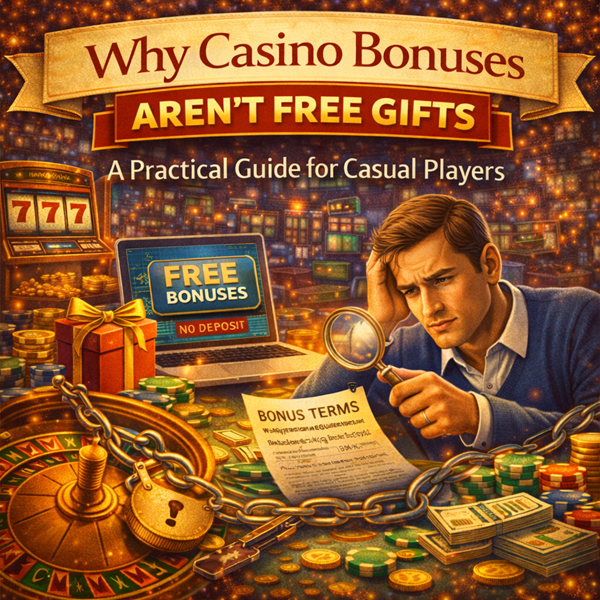
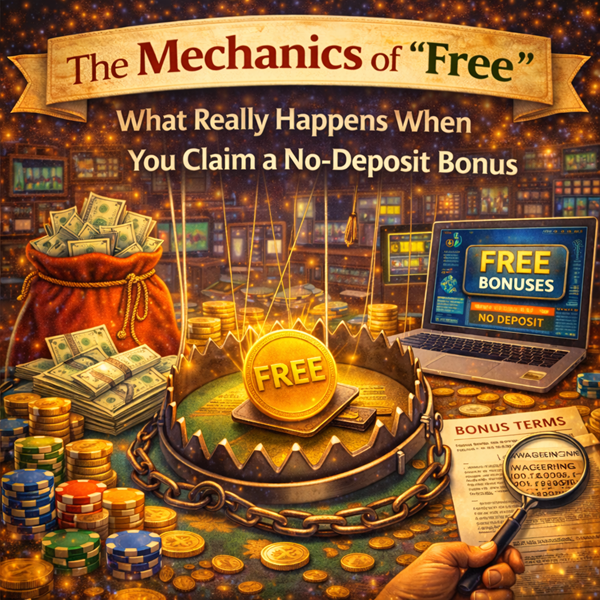
Casino bonuses are not free money; they are marketing tools designed to attract your attention and encourage longer sessions. While these offers can certainly add extra playtime to your experience, the secret to a stress-free session is understanding the technical fine print before you click “accept.” This guide breaks down the mechanics of play so you can keep the experience light, occasional, and entirely under your control.
The Business Behind the Bonus
Understanding why these offers exist is the first step toward playing with confidence and removing the mystery from the “gift.” Here is how the business model works:
- Online casinos are professional companies with high overhead costs, including software licensing and profit targets, which means they do not give away money without a plan.
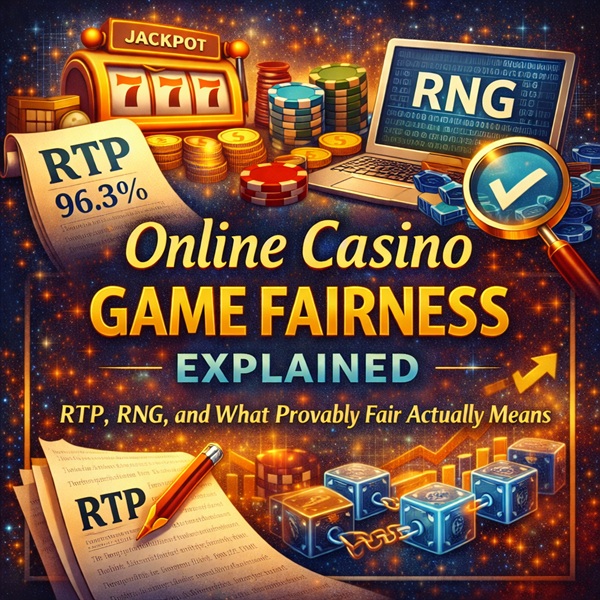
- Every game has a built-in “house edge”—for example, a slot with a 96% RTP (Return to Player) is mathematically designed to return $96 for every $100 wagered over the long term, leaving $4 for the casino.
- Bonuses are promotional tools used to lower your hesitation to sign up, but they are carefully structured to ensure you stay in “action” for a specific amount of time.
- By providing extra funds, the casino increases your total playtime, which directly increases your exposure to that house edge over a longer period.
- Recognizing that bonuses are simply business tools helps you avoid the emotional pressure to “win” a promotion and allows you to view them as a standard trade-off for extra entertainment.
Decoding the Fine Print: Wagering and Contribution
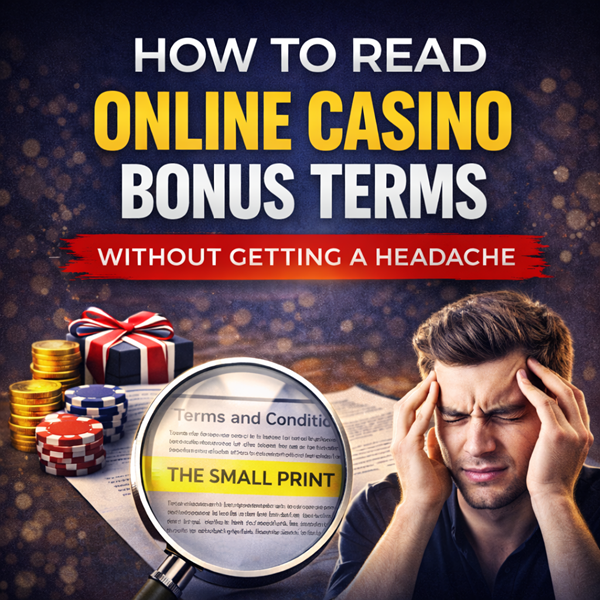
The terms attached to a bonus are far more important than the headline amount. To avoid frustrating surprises when you try to withdraw, you need to understand these core mechanics:
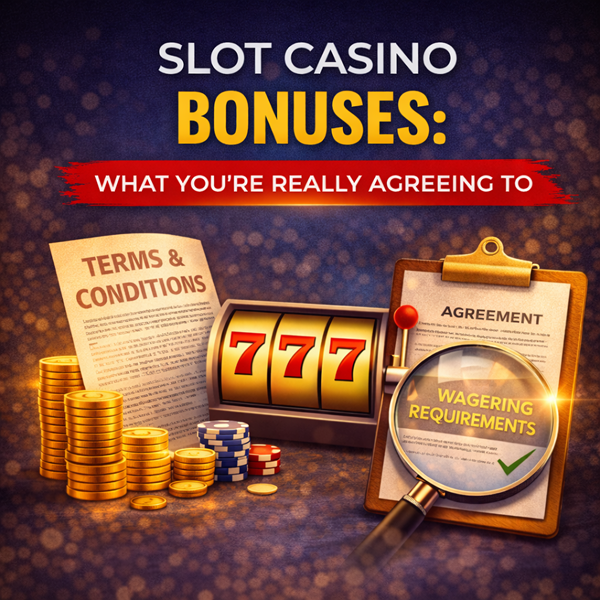
- Wagering is the total amount you must bet before a withdrawal is allowed; for instance, a 30x wagering requirement on a $100 bonus means you must place $3,000 in total bets.
- You must check if the requirement applies to the “bonus only” or the “bonus plus deposit”—the latter effectively doubles your betting requirement from $3,000 to $6,000 for that same $100 deposit.
- Time limits (often 7 to 30 days) create a sense of urgency that can move you from a “Calm” state to an “Urgent” one, leading to rushed, expensive decisions you wouldn’t normally make.
- Game contribution percentages vary wildly; while slots count 100%, playing a table game with a 10% contribution effectively multiplies your wagering requirement by ten, making the bonus much harder to clear.
- Always check the maximum bet limit (usually around $5) before you start, as exceeding this limit—even by accident—can result in the casino voiding your entire bonus and any winnings.
Knowing When to Say No
You are never obligated to accept a promotion, and often, the smartest move for a casual player is to play with their own funds alone. Use this framework to decide:
- A bonus is most valuable when it simply adds extra playtime to a deposit you were already planning to make for your own entertainment.
- Playing without a bonus offers the massive benefit of total flexibility, allowing you to withdraw your money and any winnings at any time without meeting restrictive conditions.
- Follow the “one-sentence rule” from the experts: if you cannot explain the wagering requirements in one simple sentence, you should decline the offer.
- Trust your gut if an offer creates a feeling of “heaviness” or anxiety; if the terms feel overwhelming, it is a clear sign to skip the bonus and keep your session simple.
- The goal of playing should always be to minimize regret and enjoy the game, not to feel like you are being forced to complete a mathematical “contract” with the house.
The Golden Rules for Staying in Control
The human side of gambling is more important than the math. These practices help ensure that your well-being remains the priority:
- Set both money and time limits before you log in, and treat your deposit as a set cost of entertainment—similar to buying a concert ticket where the money is “spent” upfront.
- Never “chase” wagering completion or losses; if your balance drops and you are no longer having fun, you do not “owe” the casino any more activity.
- Learn to identify emotional warning signs like irritability, anxiety, or the urge to hide your gaming activity from the people you care about.
- Use available tools like deposit limits or session reminders provided by licensed platforms to maintain your boundaries automatically and keep your choices deliberate.
- Always step away if the “Calm vs. Urgent” gauge starts tipping toward urgency, as breaks are the most effective way to prevent costly emotional mistakes.
For More
For more information on how to navigate the world of online gaming, visit the article Slot Machine Guides.
For a more detailed look at these topics, you can also explore the Ebook “The Smart Player’s Guide to Online Casino Bonuses” available on Google Books and at InfoArea.