
Breaking the Cycle: A Strategic Guide to Overcoming Gambling Addiction
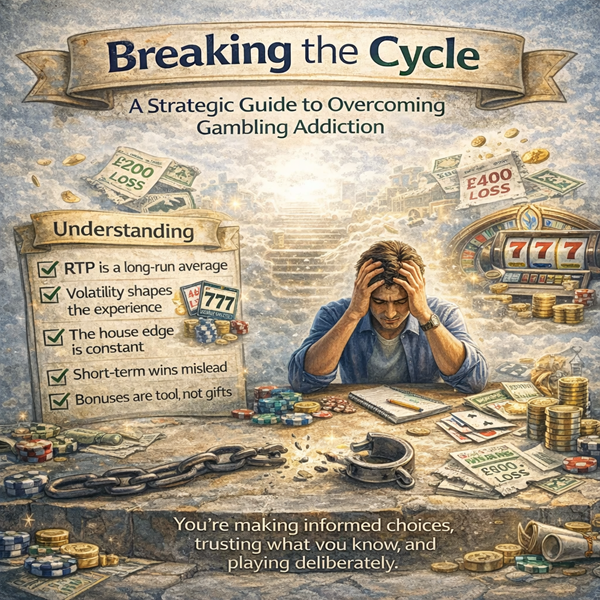
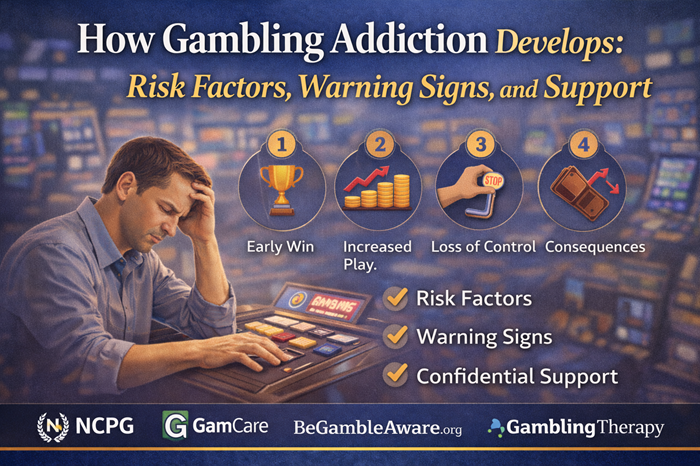
Gambling addiction is a complex psychological trap designed to hijack primal instincts rather than a reflection of an individual’s moral character. Successful recovery requires deconstructing the industry’s glittering illusions and understanding the brain’s biological capacity to heal through neuroplasticity. By implementing structured barriers and mastering emotional resilience, individuals can reclaim their power and build a peaceful, fulfilling life.
Waking Up: Deconstructing the Gambler’s Illusion
The gambling industry maintains a “glittering facade” of easy wealth and glamour, utilizing sophisticated psychology and mathematical certainty to ensure the house always remains profitable. These environments—from neon-lit casinos to sleek mobile interfaces—are meticulously designed to capture attention and sustain the false promise that a masterpiece life is just one lucky break away.
- The mathematical reality is that every game and odds ratio is calculated to ensure the “house always wins” over time, meaning any temporary winnings are merely future bets residing in your pocket.
- The “illusion of control” is a psychological trap where the brain believes skill or systems can influence random outcomes; breaking free requires a radical acceptance of powerlessness over chance.
- The “chasing cycle” is an emotional panic response, similar to drinking salt water to quench thirst, which functions as a self-destructive attempt to eliminate the acute pain of a loss.
- Conducting a formal “Honesty Inventory” of lost time and money serves as the ultimate antidote to illusion; keep this record in a safe place to pull out whenever the mind begins to romanticize the habit.
The Science of Change: Rewiring Your Brain
Addiction is a physiological brain disorder characterized by physical changes in chemical balance rather than a moral failing. However, through the power of neuroplasticity, the brain possesses a remarkable ability to heal, adapt, and forge new, healthy neural pathways, allowing the reward system to recalibrate over time.
- Gambling triggers an unnatural “dopamine hijack” in the reward system, causing the brain to downregulate its own production and preventing normal activities from bringing joy.
- The withdrawal or “detox” phase is a temporary period of recalibration where the brain screams for its accustomed dopamine hit, manifesting as mood swings and anxiety that subside as chemistry regenerates.
- Forging new neural pathways requires repetitive, healthy choices that strengthen new circuits until the old, unused “gambling pathways” eventually atrophy.
- Daily actions to stimulate dopamine include vigorous exercise, mindfulness to strengthen the prefrontal cortex (responsible for impulse control), and a diet rich in tyrosine found in almonds, bananas, and avocados.
The Impenetrable Fortress: Creating Friction and Barriers
Because willpower is a finite resource that can fail during moments of exhaustion, it is rarely sufficient to sustain recovery on its own. Strategic recovery relies on “friction”—creating an environment where gambling is practically impossible—to give the logical brain the necessary window of time to intervene before an urge is acted upon.
- The mechanism of friction involves making the gambling process so difficult that it takes significant effort to place a bet; if a barrier takes two hours to circumvent, the urge will likely have passed.
- Technological barriers must include installing robust blocking software like Gamban or Betfilter on all devices, with passwords held by a trusted third party to prevent uninstallation.
- Financial lockdowns are essential “fuel supply” cuts, requiring you to hand over bank account control to a trusted person and cancel all accessible credit cards.
- Utilizing formal self-exclusion programs and registers like GAMSTOP sends a powerful legal and subconscious message that you are closing the door on the addiction forever.
Mastering the Waves: Navigating Urges and Emotions
An urge is not a command but a temporary suggestion from a healing brain that follows a distinct lifecycle of building, cresting, and dissipating over about 20 to 30 minutes. Learning to survive these waves of temptation requires a specific mindset and a predefined script to remove the need for decision-making during a state of panic.
- “Urge Surfing” is a mindfulness technique where you observe physical sensations—like tightness in the chest—without trying to suppress them, maintaining balance until the wave naturally crashes.
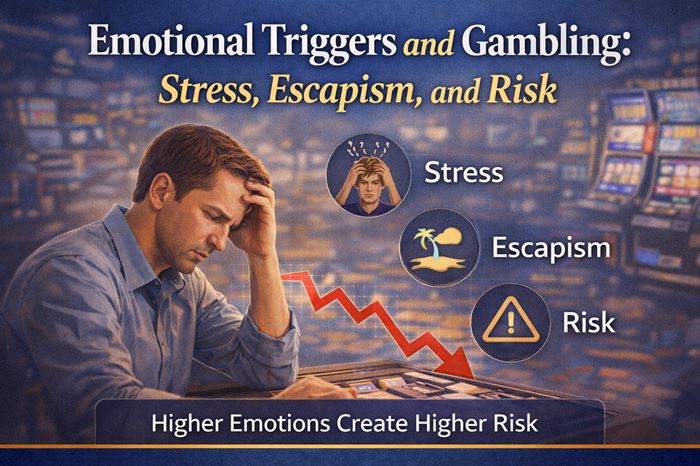
- The “HALT” method (Hungry, Angry, Lonely, Tired) helps you identify if a gambling urge is actually a disguised signal for a basic unmet human need that requires a healthy response.
- Healing fractured relationships requires “Complete Honesty” regarding all debts and secret behaviors; this conversation is often excruciating and requires you to sit with a loved one’s pain without becoming defensive.
- An Emergency Action Plan should be followed when an urge hits: take ten deep breaths, verbalize that the urge will pass, call a support person, and leave the house without a wallet.
The Path Ahead: Financial Recovery and Finding Joy
Recovery is a lifelong process of growth that involves filling the void left by addiction with meaningful activities and disciplined financial rebuilding. By stripping the emotion out of money and rediscovering dormant passions, you can build a life that you no longer feel the need to escape from.
- Facing financial reality requires gathering every bill and loan document into a single spreadsheet to confront the total debt with cold, logical clarity.
- Strategies like the “Debt Snowball” (targeting small debts for psychological wins) or the “Debt Avalanche” (targeting high interest) provide a structured path toward financial resurrection.
- Rediscovering dormant passions and hobbies provides the quiet satisfaction of creation and self-expression, expanding a world that addiction once narrowed.
- Constructing a “Vision Board” serves as a strategic visual representation of your new life—including nature, service, and healthy goals—to counter the artificial environment of the casino.
For More
To find additional support and tools for your recovery journey, please visit: How To Stop Gambling: Reclaim Your Life, Find Inner Peace, and Build a Brighter Future
This resource provides additional tools for those committed to responsible gaming and recovery.