
Sports Betting Bonuses Explained: Free Bets, Rollovers and the Small Print

Sign up to almost any sportsbook and you’ll be met with an offer. Usually something like “bet £10, get £30 in free bets” or a matched deposit with a rollover condition attached. The numbers look appealing, and on the surface, it feels like you’re getting something for nothing. But once you start reading how these offers actually work — the expiry dates, the minimum odds, the difference between a free bet and withdrawable cash — the picture looks a bit different.
This article breaks down the main types of sports betting bonuses, explains what the key terms actually mean, and helps you work out whether an offer is worth taking before you accept it.
A Free Bet Is Not the Same as Free Cash
This is the most important thing to understand about free bet offers, and it’s the detail that most promotional copy is designed to obscure. When a sportsbook gives you a £30 free bet, you’re not receiving £30 you can withdraw. You’re receiving a token that lets you place a bet — and if that bet wins, you collect the profit. Not the stake. Just the profit.
This is called stake-not-returned (SNR), and it’s the default on virtually every free bet offer. It means a £30 free bet on a selection at odds of 2.00 (evens) returns £30 in profit if it wins — not £60. If it loses, the token disappears and nothing comes from your own pocket, which is the upside. But the effective cash value of that £30 token is somewhere between £15 and £25 depending on the odds you use it at, not £30.
Understanding this conversion gap is what separates people who treat bonus offers realistically from people who end up frustrated when the numbers don’t add up.
How Rollover Requirements Work in Sports Betting
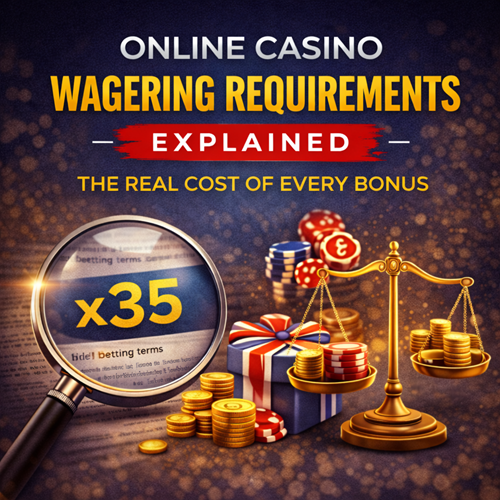
Not all bonuses are free bets. Some are deposit match bonuses — you deposit £50 and receive £50 in bonus funds, giving you £100 to play with. Sounds generous. But the bonus portion almost always comes with a rollover (or turnover) requirement before you can withdraw it.
A 3x rollover on a £50 bonus means you need to place £150 in total qualifying bets before the bonus converts to real withdrawable money. Sports rollover requirements tend to be lower multipliers than casino bonuses, but that doesn’t make them simple. Every qualifying bet has to meet a minimum odds condition — usually evens (2.00) or higher — which means you’re always betting in markets with a genuine chance of losing.
- Rollover counts your total stakes placed, not your winnings — so a losing bet still counts toward the requirement.
- Minimum odds conditions prevent you from rolling over on near-certainties at short prices.
- Some offers apply the rollover to your deposit and bonus combined, not just the bonus — which significantly increases the total required.
- Time limits apply — if you don’t meet the rollover before the offer expires, the bonus is usually forfeited.
Minimum Odds Restrictions: Why They Change Everything
Minimum odds conditions appear in almost every sports betting promotion in some form. They determine which bets can trigger an offer, which bets count toward rollover, and sometimes which bets your free bet can even be placed on. The common threshold is evens (2.00), meaning any selection at odds below that is excluded.
In practice, this pushes you away from short-priced favourites and toward competitive markets where outcomes are less predictable. That’s the point. It protects the operator from low-risk rollovers while also limiting which strategies work for clearing a bonus.
If you accidentally place a qualifying bet at odds below the minimum, it will settle normally but won’t count. You’ll need to place another bet that does qualify, meaning more of your own money has gone in before the bonus triggers. It’s a small mistake that’s easy to make and worth avoiding by checking the terms before placing anything.
Enhanced Odds Offers: Reading Past the Headline
Price boosts — where a sportsbook temporarily inflates the odds on a specific selection — are one of the most commonly promoted offers in sports betting. A selection priced at 3.00 might be boosted to 6.00 for a limited window. The jump looks extraordinary.
But there are two things that almost always apply to price boosts that significantly reduce their headline value. First, there’s a maximum qualifying stake — often as low as £5 or £10. You can only access the boosted odds on that limited amount, so even a dramatic price improvement translates to a modest potential return. Second, some operators cap the total winnings from a boosted bet, meaning if the selection wins at the inflated odds, you don’t receive the full return.
Before you get excited about a price boost, work out what the maximum stake is and what the realistic return looks like at that stake. That’s the number that actually matters.
Accumulator Bonuses Are More Complicated Than They Appear
Acca insurance and acca boost offers are popular with punters who regularly build multi-selection bets. The basic promise is appealing — if one leg lets your acca down, you get your stake back. If your acca wins, you get a percentage boost on your returns. But the reality of how these offers work is worth understanding before you build your bets around them.
Acca insurance refunds are almost never paid as cash. They come back as a free bet token, which — as covered above — isn’t the same as cash. Your real money is still gone. You receive a token worth roughly half to two-thirds its face value, depending on what you do with it next. And to qualify, your acca usually needs a minimum number of legs (typically four or five), each priced above a minimum odds floor, often with a minimum stake too.
- Insurance only triggers if exactly one leg loses — two or more losses and there’s no refund.
- Refunds are credited as free bets, not withdrawable cash, with their own expiry windows.
- Acca boosts pay an extra percentage on winning returns — but check whether the boost pays as cash or as further bonus credit.
- The odds restriction on each leg means you can’t include short-priced selections even if you genuinely want them in the acca.
Why Expiry Dates Matter More Than You Think
Free bets and rollover windows expire. That’s standard. What catches people out is exactly when the clock starts. Expiry doesn’t start from when you deposited or registered — it starts from when the free bet is actually credited to your account. And free bets are usually only credited after your qualifying bet settles, not after you place it.
If your qualifying bet is on a match that kicks off on a Friday and settles late that evening, and your free bet expires in five days, you’ve got less than five days to use it. If your preferred sports only run at weekends and the window closes before the next round of fixtures, you’re in trouble. Short expiry windows — some as brief as three days — are common, and they’re not coincidental. Urgency increases the chance you’ll use the token quickly and less carefully.
Always note the exact expiry from the moment the free bet lands in your account. That’s the actual deadline, and once it passes, the token is gone with no recourse.
How to Compare Offers Without Getting Misled
The headline number on a sports betting bonus — £50 in free bets, 100% deposit match, 6/1 enhanced odds — is almost never the most useful number. What actually determines an offer’s value is the combination of rollover requirements, odds restrictions, expiry windows, maximum stakes, and whether payouts are in cash or bonus credit. Once you start reading those details together rather than in isolation, offers that look very different on the surface start to reveal their real shape.
A smaller, simpler offer with no rollover and a broad market eligibility will often deliver more actual value than a large bonus wrapped in layers of conditions. If you’re still building your understanding of what to look for in a bonus offer, this breakdown of what to look for before claiming online casino and sports bonuses covers the key checks in plain language.
The simplest comparison framework is this: work out what you’d realistically walk away with in withdrawable cash after meeting all the conditions. That number, not the headline, is what you’re actually being offered.
The Part Most People Skip: Qualifying Bet Rules
Every free bet offer requires you to place a qualifying bet first — a real money bet that meets certain conditions before the free bet token is released. Common requirements include a minimum stake, minimum odds, and eligible markets. The qualifying bet is your own money at risk, and if it loses (which is entirely possible), the free bet is your compensation.
What’s often missed is how specific the qualifying conditions can be. Some offers restrict qualifying bets to football only. Some require a single bet rather than an accumulator. Some exclude certain competitions or bet types. Placing a qualifying bet in an ineligible market simply means it doesn’t count — your money has gone, but the free bet hasn’t been triggered, and you’ll need to place another qualifying bet to unlock it.
Reading the qualifying conditions before placing anything takes two minutes and can save you a lot of frustration. Make it a habit.
Bonus Chasing and Why It’s Worth Watching
There’s nothing wrong with taking advantage of a good offer when it makes sense. The problems start when the offer starts driving your betting decisions rather than the other way around. Placing bets on markets you know nothing about to clear a rollover. Increasing your stake size to meet a turnover requirement faster. Signing up to multiple sportsbooks simultaneously and managing several rolling conditions at once.
These patterns shift the purpose of your betting. Instead of making decisions based on the sport and the selection, you’re making decisions based on what the bonus requires. That’s when errors compound. If you notice that you’re checking your rollover progress more often than your actual bet results, it’s worth stepping back and reassessing.
Every reputable sportsbook offers deposit limits, loss limits, and cool-off periods in the responsible gambling section of your account. Using them isn’t a sign of a problem — it’s a sign of clear thinking. Set parameters when you’re calm, before a session starts, and they’ll work better than any decision made mid-session.
The Offer Is the Starting Point, Not the Reason
Sports betting bonuses can add genuine value when you understand what you’re looking at. A free bet used sensibly, an enhanced price on a match you’d have backed anyway, an acca boost that pays out when your accumulator lands — these things are real and useful. But they work best as additions to your normal approach, not as the reason you’re betting in the first place.
Take the time to read what an offer actually involves before you accept it. Check the rollover, the odds floor, the expiry date, and what form any winnings take. The promotional copy is written to emphasise the most attractive number available. The terms and conditions are where you find everything else.