
Responsible Gaming – Frequently Asked Questions (FAQ)
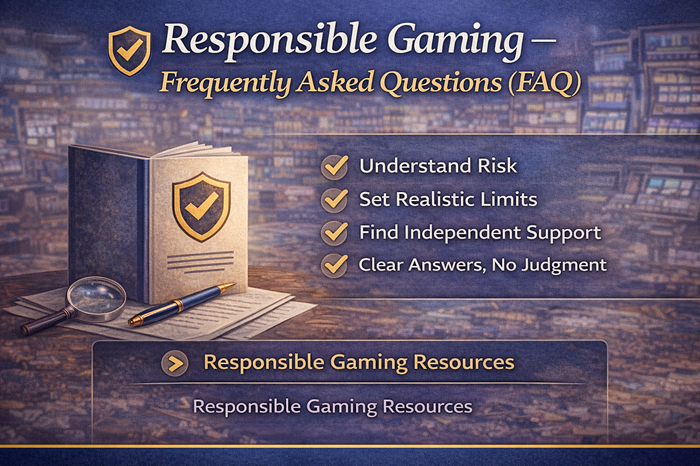
Responsible gaming raises many practical questions, especially for people who want clear information without pressure or judgment. This FAQ addresses common concerns about gambling risk, support options, and responsible play in a straightforward, factual way.
For a full list of independent support organizations and tools, see our
👉 Responsible Gaming Resources page.
What does “responsible gaming” actually mean?
Responsible gaming refers to keeping gambling within safe, informed limits. It includes understanding how games work, recognizing risk, setting boundaries around time and money, and knowing where to find help if gambling stops being enjoyable or controllable.
Responsible gaming is about awareness and choice, not judgment.
Can gambling addiction affect anyone?
Yes. Gambling-related harm can affect people of all ages, backgrounds, and income levels. It is influenced by a combination of factors, including stress, emotional triggers, access, and game design—not personal weakness.
Early awareness significantly reduces long-term harm.
Is gambling addiction a medical condition?
Gambling addiction—also called problem gambling or gambling disorder—is recognized by health organizations as a behavioral health condition. It involves changes in behavior and emotional response to gambling rather than substance use.
Support focuses on education, behavior change, and emotional well-being.
How do I know if my gambling might be becoming a problem?
Common early signs include:
- Gambling longer or more often than planned
- Difficulty stopping or taking breaks
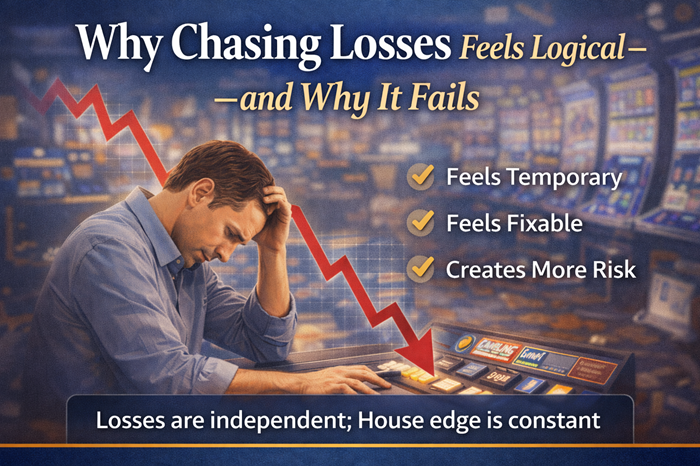
- Chasing losses
- Gambling to cope with stress or emotions
- Hiding or minimizing gambling activity
These signs often appear before serious financial harm.
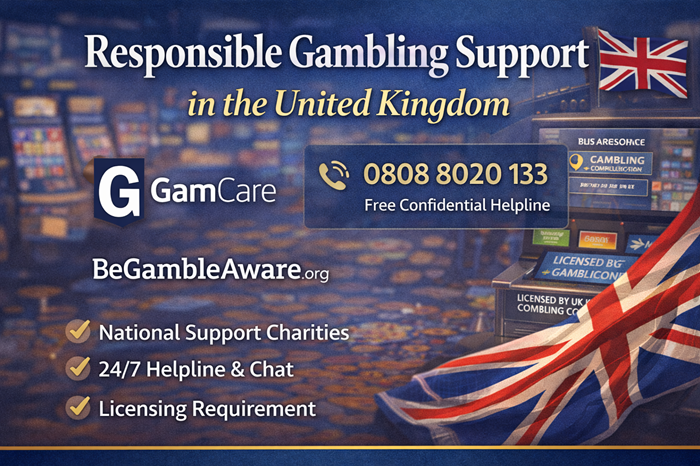
Are gambling support helplines confidential?
Yes. Most gambling support helplines are free, confidential, and anonymous. Callers are not required to provide personal details, and information is not shared with gambling operators.
Helplines exist to offer support and information, not to force action.
What happens if I contact a gambling support organization?
Support organizations typically:
- Listen without judgment
- Provide information and perspective
- Explain available options
- Offer referrals if requested
There is no obligation to commit to counseling, treatment, or self-exclusion.
What is self-exclusion, and does it work?
Self-exclusion is a voluntary tool that allows individuals to restrict access to gambling for a set period of time. It can be effective for reducing risk, especially when emotions are elevated or limits are difficult to maintain.
Self-exclusion works best as part of a broader awareness and support approach.
Can I still gamble recreationally after using support services?
Yes. Many people use responsible gaming tools or support services preventively or temporarily. Seeking information or help does not require giving up gambling permanently.
Support is about regaining control, not enforcing abstinence.
Is responsible gaming only for people with serious problems?
No. Responsible gaming information is useful for:
- Casual players
- New gamblers
- People setting limits
- Anyone wanting realistic expectations
Early education is one of the most effective forms of prevention.
Does learning more about odds and probability help reduce risk?
Yes. Understanding concepts such as house edge, variance, and independence of outcomes helps reduce common misconceptions that lead to risky behavior, such as chasing losses or expecting patterns.
Education supports better decision-making.
Why do gambling sites include responsible gaming information?
Responsible gaming information:
- Promotes transparency
- Supports informed decision-making
- Helps users recognize risk early
- Provides access to independent support
On regulated sites, responsible gaming messaging is often a licensing requirement.
Where can I find independent gambling support?
Independent support organizations provide education, confidential help, and treatment pathways. These include national, regional, and international services.
A curated list of trusted organizations is available on our
👉 Responsible Gaming Resources page.
When should someone consider seeking help?
Support may be helpful if gambling:
- Feels stressful rather than enjoyable
- Is difficult to control
- Is affecting finances, work, or relationships
- Is being used to escape emotional discomfort
Seeking help early is often easier and more effective than waiting.
Editorial Transparency
This FAQ is provided for informational and educational purposes only.
It does not offer medical, financial, or legal advice.
Readers seeking personalized support are encouraged to consult independent organizations listed on our responsible gaming resources page.