
Slot Volatility Explained (Low vs Medium vs High)
🎰📉 Slot volatility is one of the most important — and most misunderstood — concepts in slot machines. Many players notice that some slots pay small wins frequently while others seem silent for long stretches and then suddenly deliver large payouts. What most players don’t realize is that this behavior isn’t random in feel — it’s intentional by design.
Volatility doesn’t determine whether a slot pays back money. It determines how that money is distributed over time. To understand volatility properly, it must be viewed alongside RTP and randomness. As explained in our guide on how slot machines really work, slot outcomes are governed by fixed mathematical structures, not player behavior or timing.
This article explains what slot volatility is, how low, medium, and high volatility slots behave, why volatility creates the illusion of “hot” and “cold” machines, and how players misunderstand its impact on bankrolls.
What Slot Volatility Actually Means
Slot volatility describes the risk profile of a slot machine.
Specifically, it refers to:
- How often a slot pays out
- How large those payouts tend to be
- How unevenly returns are distributed over time
Volatility does not change:
- The RTP of the game
- The randomness of outcomes
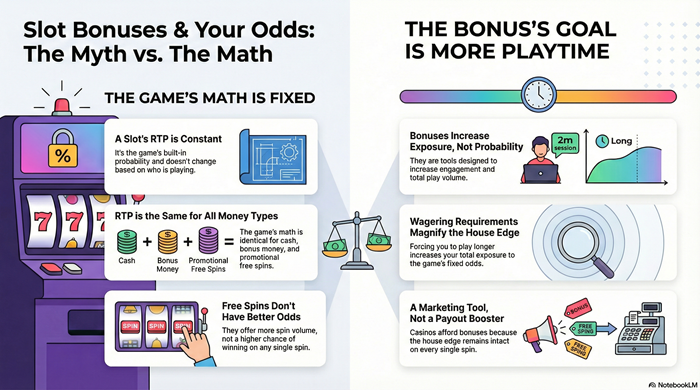
- The casino’s long-term advantage
Instead, volatility determines the shape of the experience.
Two slots with identical RTP can behave very differently depending on volatility. One may offer frequent, small rewards, while the other may go long periods without paying and then deliver a large win.
Volatility vs RTP: Clearing Up the Confusion
RTP and volatility are often lumped together, but they answer different questions.
- RTP answers: “How expensive is this game over the long term?”
- Volatility answers: “How uneven will my experience feel while playing?”
A common mistake is assuming that high volatility means higher RTP or better chances of winning. That’s incorrect. Volatility affects distribution, not return.
A high-volatility slot does not give players better odds. It simply rearranges how losses and wins appear during play.
Low Volatility Slots Explained
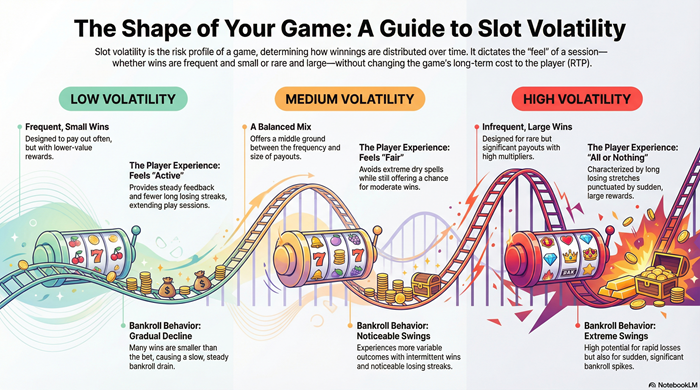
Low volatility slots are designed to pay frequently, but in small amounts.
Typical characteristics
- Many small wins
- Regular feedback
- Fewer long losing streaks
- Lower payout multipliers
These slots often feel “active” because something happens on many spins. However, most of those wins are below the total bet amount, meaning the bankroll still declines gradually.
Low volatility slots create the impression of stability, but that stability is often cosmetic.
Why casinos use low volatility
Low volatility slots:
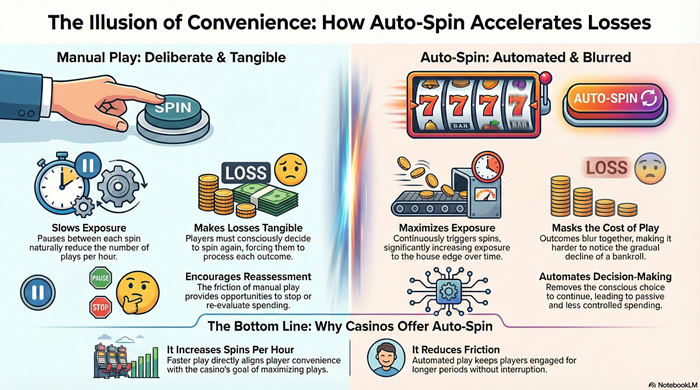
- Keep players engaged longer
- Reduce emotional swings
- Encourage extended sessions
The steady reinforcement makes losses feel less dramatic, even though they accumulate over time.
Medium Volatility Slots Explained
Medium volatility slots aim to balance frequency and size of wins.
Typical characteristics
- Occasional small wins
- Intermittent moderate wins
- Noticeable losing streaks
- More variable session outcomes
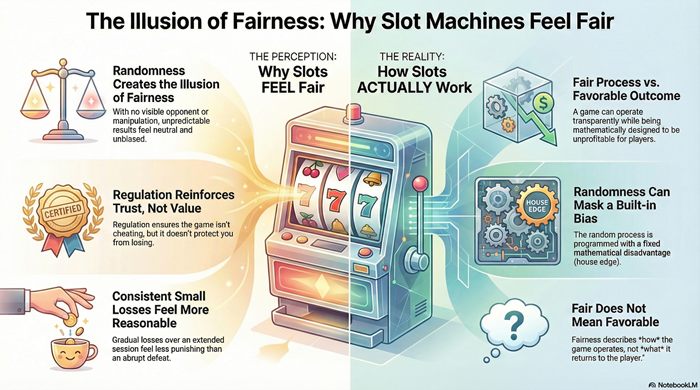
These slots often appeal to a broad audience because they feel “fair” without being dull or punishing.
Why medium volatility feels comfortable
Medium volatility slots:
- Avoid extreme dryness
- Occasionally reward patience
- Feel more dynamic than low volatility
This balance makes them popular — not because they are cheaper, but because they feel reasonable to play.
High Volatility Slots Explained
High volatility slots pay infrequently, but when they do, payouts can be large.
Typical characteristics
- Long losing stretches
- Rare wins
- High payout multipliers
- Extreme session swings
High volatility slots are responsible for many jackpot stories — and many silent bankroll drains.
Why high volatility feels misleading
Players often believe:
- Losses mean a big win is coming
- A long dry spell signals readiness to pay
- Persistence is rewarded
In reality, each spin is independent. Long losing streaks are not signals. They are expected behavior.
High volatility amplifies variance — it does not promise compensation.
Why Volatility Creates the Illusion of “Hot” and “Cold” Slots
Volatility plays a central role in slot myths.
High volatility slots naturally produce:
- Long quiet periods
- Sudden win clusters
When a win cluster occurs, it feels meaningful. Players interpret it as:
- A hot machine
- A lucky moment
- A pattern emerging
Low volatility slots create the opposite illusion — steady activity that feels controlled.
Both experiences are explained by volatility and randomness, not machine behavior.
How Volatility Affects Bankrolls
Volatility has a direct impact on bankroll survival, not profitability.
Low volatility bankroll behavior
- Slower decline
- Longer sessions
- Fewer dramatic swings
High volatility bankroll behavior
- Rapid loss potential
- Sudden spikes
- Emotional pressure
Players who don’t understand volatility often choose games that don’t match their tolerance for risk. This mismatch leads to frustration and impulsive decisions.
Why Players Misjudge Volatility
Players misjudge volatility because:
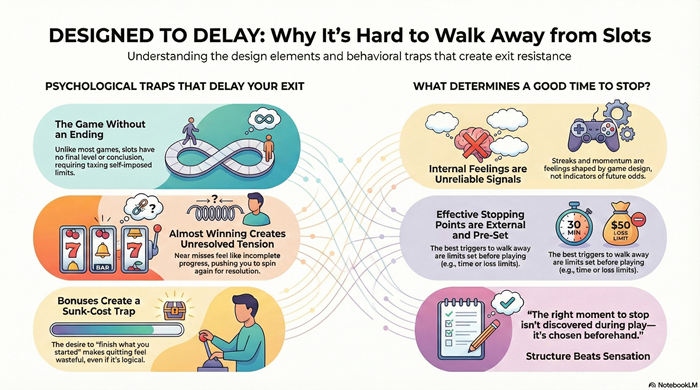
- Wins feel like feedback
- Losses feel like progress
- Near-misses imply closeness
In truth:
- Wins don’t predict future wins
- Losses don’t build momentum
- Near-misses are visual effects, not probability shifts
Volatility influences perception, not probability.
Does Volatility Affect RTP? No.
This is worth repeating clearly.
Volatility does not change RTP.
A low volatility slot with 96% RTP and a high volatility slot with 96% RTP are equally expensive over time. One just hides the cost behind frequent small wins, while the other concentrates it into long losing stretches.
Neither offers a player advantage.
Choosing Volatility Is About Experience, Not Winning
Volatility selection is not strategic in the sense of improving outcomes.
It is about:
- Emotional comfort
- Session pacing
- Risk tolerance
Choosing a volatility level that matches your tolerance does not make the game better — it makes it clearer.
Clarity reduces frustration. It doesn’t reduce losses.
Why Casinos Offer All Three Volatility Types
Casinos offer low, medium, and high volatility slots to:
- Appeal to different personalities
- Extend play time
- Maximize engagement across preferences
This diversity increases overall revenue, not player success.
Volatility is not a feature for players — it’s a design tool.
Continue Learning About Slot Machines
- How Slot Machines Really Work
- What Is RTP in Slot Machines?
- How Slot Odds Are Determined
- RNG Explained: Are Slots Truly Random?
Final Thought: Volatility Explains Feel, Not Fate
Slot volatility explains why some sessions feel calm and others feel brutal. It explains why jackpots appear suddenly and why losses feel personal.
What it does not explain is how to beat slots.
Volatility reshapes experience, not expectation. Understanding that distinction doesn’t make slots profitable — but it does make them honest.
That honesty is what separates informed play from expensive misunderstanding.