
Can Casinos Change Slot Odds?
🎰⚙️ Many players believe casinos can change slot odds at will — tightening machines when players are winning and loosening them when business is slow. This belief is reinforced by bad sessions that feel sudden and personal, and by the general secrecy surrounding how slot machines work.
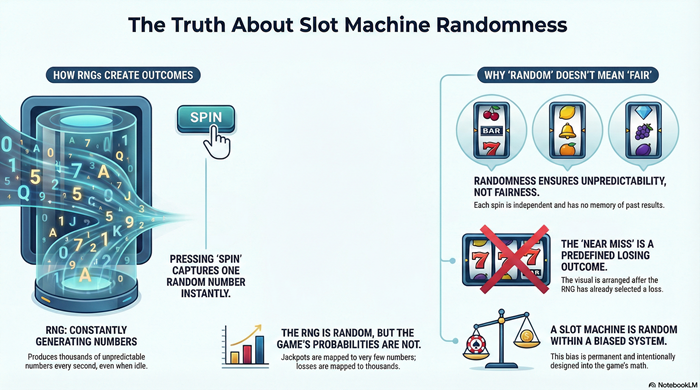
But belief and reality diverge sharply here. Whether a casino can change slot odds depends on when, how, and under what regulations those changes would occur. To understand the truth, you need to separate game configuration from game operation. As explained in our guide on how slot machines really work, slot outcomes are governed by fixed probabilities enforced by certified random number generators, not by real-time casino decisions.
This article explains when casinos can choose slot configurations, when they cannot, and why the idea of live odds manipulation persists despite being false.
What Players Mean by “Changing Slot Odds”
When players say casinos change slot odds, they usually mean one of the following:
- Machines tighten after paying out
- Casinos loosen slots during slow periods
- Odds change based on player behavior
- Casinos adjust machines remotely in real time
All of these ideas assume that slot machines are reactive systems.
They are not.
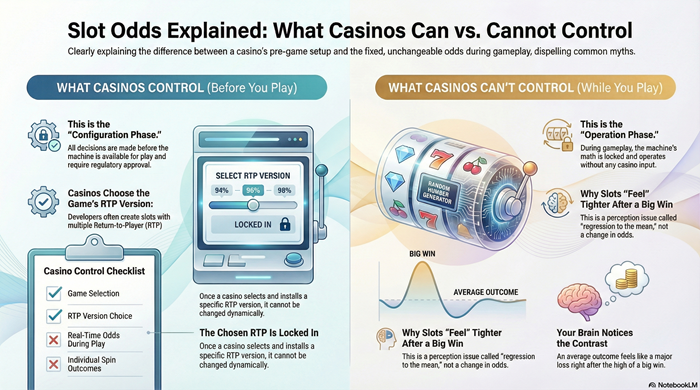
The Key Distinction: Configuration vs Operation
This is the most important concept in this discussion.
Casinos can choose which version of a game to install.
They cannot change how that game operates during play.
Configuration happens:
- Before a slot goes live
- At installation or reconfiguration
- Under regulatory approval
Operation happens:
- During player sessions
- Under locked mathematical rules
- Without casino input
Confusing these two stages is where most myths originate.
Can Casinos Choose Different RTP Versions?
Yes — before play begins.
Many slot games are developed with:
- Multiple RTP configurations (e.g., 94%, 96%)
- Identical visuals and features
- Different long-term cost profiles
Casinos choose which version to deploy before players ever touch the machine.
Once selected:
- RTP is fixed
- Probability weighting is fixed
- RNG behavior is fixed
Casinos cannot switch versions dynamically.
Why Casinos Wouldn’t Change Odds in Real Time (Even If They Could)
Real-time odds manipulation would be disastrous for casinos.
It would:
- Violate gaming laws
- Invalidate RNG certification
- Trigger regulatory penalties
- Destroy trust in the platform
Modern slot systems are audited, logged, and monitored. Any unexplained deviation would be detectable.
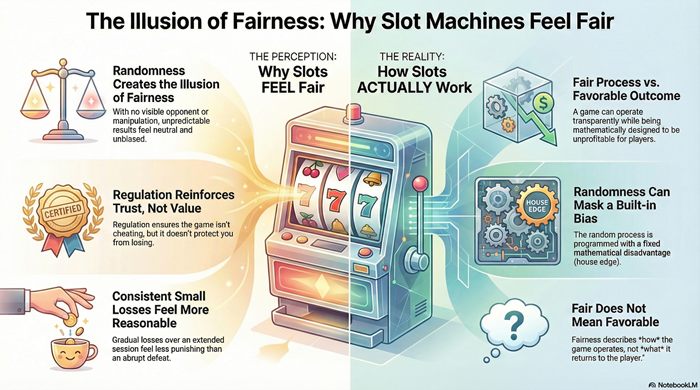
From a business perspective, cheating would be unnecessary. The house edge already guarantees profit.
What About “Remote Control” of Slot Machines?
Modern slot systems are networked, which fuels suspicion.
Casinos can remotely:
- Monitor performance
- Collect accounting data
- Perform maintenance
- Schedule updates
They cannot remotely:
- Alter odds mid-session
- Adjust payout frequency dynamically
- Target individual players
Remote access supports oversight, not manipulation.
Why Slots Feel Like They Tighten After Wins
This belief persists because of regression to the mean.
After a win:
- The next outcomes are statistically likely to be average
- Average outcomes feel worse after a high point
- Losses stand out emotionally
The machine didn’t tighten. The contrast changed.
Can Casinos Adjust Odds During Maintenance?
Casinos can change game configurations only when:
- Machines are taken offline
- Regulatory procedures are followed
- The change is logged and approved
This process is not:
- Instant
- Secret
- Player-specific
If odds are changed, it applies to everyone, not individuals — and only between operational periods.
Online Casinos vs Land-Based Casinos
The same principle applies online.
Online casinos can:
- Choose which RTP version to host
- Replace games
- Update platforms
They cannot:
- Change odds mid-session
- React to player behavior
- Modify RNG behavior dynamically
The technology differs. The restrictions do not.
Why This Myth Refuses to Die
The belief that casinos change odds persists because:
- Losses feel targeted
- Timing feels suspicious
- Technology feels opaque
- Trust is low
When outcomes hurt, people look for agency behind them.
Randomness combined with house edge feels personal — even when it isn’t.
What Casinos Actually Control
Casinos control:
- Game selection
- RTP version choice
- Volatility profile
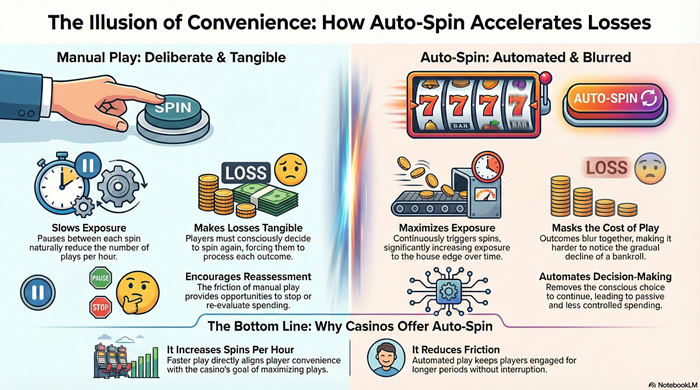
- Speed of play
They do not control:
- Individual outcomes
- Session results
- Player luck
The advantage exists before play begins — not because of manipulation during it.
Why Understanding This Changes Player Behavior
Players who understand this stop:
- Chasing “tight” machines
- Waiting for loosening phases
- Attributing intent to variance
Instead, they focus on:
- Game selection
- Session limits
- Realistic expectations
That shift reduces frustration — and often reduces losses.
Continue Learning About Slot Machines
If you want to understand where casino control ends and randomness begins, these guides explain the mechanics that actually shape slot outcomes:
- How Slot Machines Really Work
- What Is RTP in Slot Machines?
- Slot Volatility Explained (Low vs Medium vs High)
- RNG Explained — Are Slots Truly Random?
- Do Hot and Cold Slots Exist?
- Can Slot Timing Affect Wins?
- Does Machine Location Matter in Slots?
- Are Online Slots Rigged?
Each article breaks down one misconception about control and explains what actually determines results.
Final Thought: The House Edge Is Chosen, Not Adjusted
Casinos don’t need to change odds in real time.
They choose games where the math already works.
Once a slot is live, the rules are locked. Losses don’t trigger tightening, and wins don’t cause retaliation.
Understanding that doesn’t make slots profitable.
It makes them predictable.
And predictability is clarity — not comfort.