
Do Slot Bonuses Change Player Behavior (Beyond RTP)?
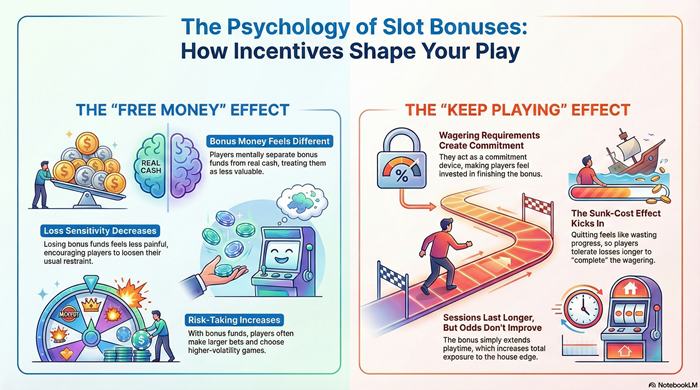
🎰🎁 Slot bonuses are often discussed in terms of math — wagering requirements, bonus funds, and RTP impact. But focusing only on math misses the larger effect bonuses have on player behavior. Bonuses don’t just change how expensive a game is. They change how players think, feel, and act while playing.
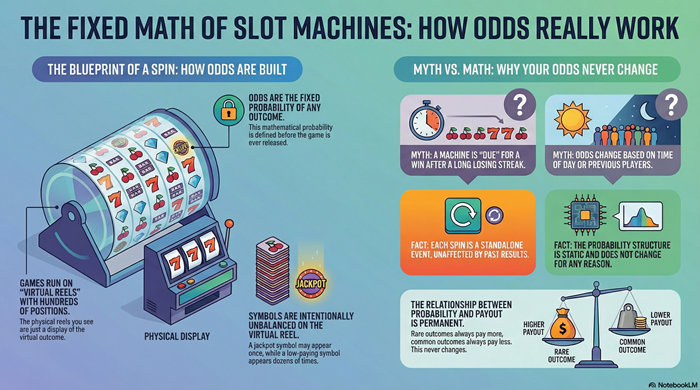
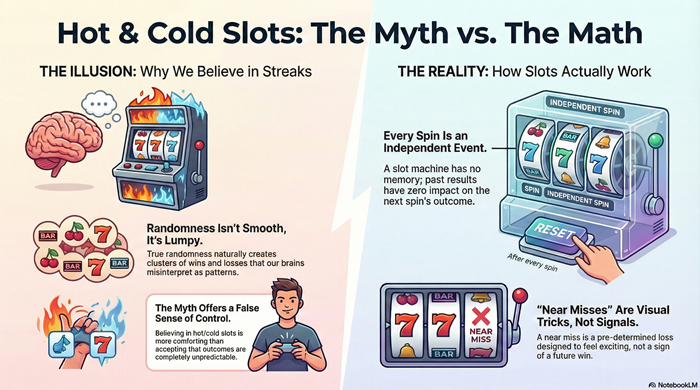
To understand why bonuses are so effective, you have to look beyond expected value and examine psychology. As explained in our guide on how slot machines really work, slot outcomes are governed by fixed probabilities — but how players interact with those outcomes is heavily influenced by design and incentives.
This article explains how slot bonuses shape behavior, why they extend play and risk-taking, and how their influence persists even when the math is neutral or unfavorable.
What Slot Bonuses Actually Are
At their core, slot bonuses are behavioral incentives.
They can include:
- Free spins
- Bonus credits
- Match offers
- Reload bonuses
Regardless of form, bonuses encourage one thing: continued play.
They are not gifts. They are mechanisms designed to alter how long and how aggressively players engage with slots.
Why Bonuses Feel Like Extra Money
Bonuses feel different from cash because they are mentally separated.
Players often treat bonus funds as:
- Less valuable
- Easier to risk
- “Not real”
This separation reduces loss sensitivity. Losses incurred with bonus funds feel lighter, even though the wagering still represents real exposure.
Psychologically, players loosen restraint when the money doesn’t feel like it came from their pocket.
How Bonuses Increase Risk-Taking
Bonuses subtly increase risk tolerance.
When playing with bonus funds:
- Bet sizes tend to increase
- Volatility choices shift upward
- Session length expands
The presence of a bonus reframes the session as an opportunity rather than a cost.
Risk feels justified because the starting point feels subsidized.
Wagering Requirements and Persistence
Wagering requirements are often framed as obstacles, but behaviorally they act as commitment devices.
Once wagering begins:
- Players feel invested
- Quitting feels like wasting progress
- Losses are tolerated longer
This creates a sunk-cost effect. The longer a player plays, the harder it becomes to stop — even when outcomes worsen.
Bonuses Extend Sessions Without Improving Odds
Even when bonuses are mathematically neutral or negative:
- Sessions last longer
- Spin volume increases
- Exposure to the house edge grows
The bonus doesn’t need to be generous. It only needs to delay stopping.
Time, not generosity, is the real behavioral lever.
Why “Free Spins” Are Especially Powerful
Free spins feel harmless.
They:
- Remove immediate cost perception
- Trigger frequent feedback
- Encourage fast play
Even though free spins are often low value individually, they pull players into a session where real-money play typically follows.
The transition is gradual and often unnoticed.
Bonus Design and Perceived Progress
Bonuses are structured to feel like progress systems.
Meters fill.
Targets approach.
Conditions unlock.
These mechanics mirror progression systems in games and apps, encouraging players to “complete” the bonus rather than evaluate cost.
Completion replaces calculation.
Why Bonuses Feel Fair Even When They Aren’t
Bonuses feel fair because:
- They are optional
- They are disclosed
- They appear to benefit the player
But fairness of disclosure does not equal fairness of impact.
The influence happens not through deception, but through predictable behavioral responses.
Online Slots and Bonus Saturation
Online platforms amplify bonus effects by:
- Offering frequent promotions
- Stacking incentives
- Sending reminders
The constant presence of bonuses normalizes extended play. Sessions begin to feel incomplete without one.
Availability becomes expectation.
Why Bonuses Are So Effective at Retention
Bonuses succeed because they:
- Reduce friction to start playing
- Increase reluctance to stop
- Reframe losses as part of progress
They don’t need to alter RTP to be powerful.
They alter behavioral flow.
What Understanding Bonus Behavior Changes
Understanding bonus influence does not:
- Improve odds
- Turn bonuses into advantage
What it does change is awareness.
Players who understand bonus behavior:
- Separate math from feeling
- Resist sunk-cost pressure
- End sessions deliberately
Awareness weakens the incentive loop.
Continue Learning About Slot Machines
If you want to understand how incentives and design shape slot behavior beyond pure math, these guides explain the mechanics and psychology behind modern slot play:
- How Slot Machines Really Work
- What Is RTP in Slot Machines?
- Slot Volatility Explained (Low vs Medium vs High)
- Does Auto-Spin Increase Losses?
- How Near Misses Manipulate Player Perception
- Why Small Wins Feel Like Progress
- Why Slot Sessions Feel Shorter Than They Are
Each article explains one way slots influence behavior without changing probabilities.
Final Thought: Bonuses Don’t Change Odds — They Change Decisions
Slot bonuses don’t need to beat the math.
They only need to keep players engaged long enough for the math to work.
By changing how money feels, how progress is perceived, and how stopping decisions are delayed, bonuses shape behavior far more effectively than odds ever could.
Understanding that difference restores control — even when the numbers don’t.