
Are Online Slots Rigged?
🎰🔍 “Online slots are rigged” is one of the most common claims in gambling — and also one of the most emotionally charged. Players often report brutal losing streaks, sudden bankroll drain, or sessions that feel far worse online than in a physical casino. Those experiences feel personal, targeted, and unfair.
But feeling unfair isn’t the same as being manipulated. To determine whether online slots are rigged, we have to separate regulation, game design, and player perception. As explained in our guide on how slot machines really work, slot outcomes are governed by fixed probabilities and independent random number generation — not by reactions to players.
This article explains what “rigged” actually means, how online slots are regulated, why online play feels harsher, and where players are justified in being skeptical.
What People Mean When They Say “Rigged”
When players say online slots are rigged, they usually mean one of three things:
- The game secretly changes odds
- The casino targets individual players
- Online slots pay worse than casino slots
All three claims feel plausible because online gambling removes physical cues and replaces them with speed and automation. But plausibility isn’t proof.
To evaluate the claim honestly, we need to define what would actually constitute rigging.
What Would “Rigging” Actually Require?
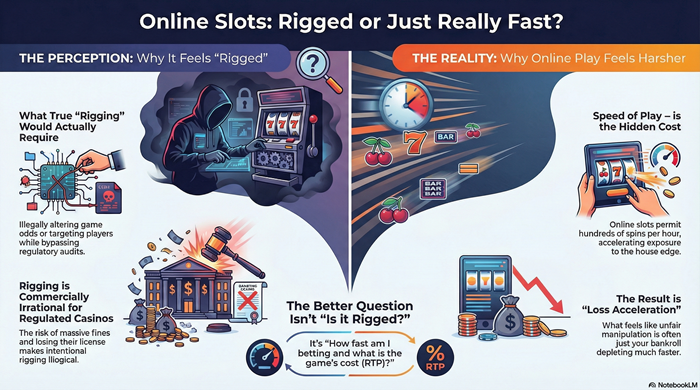
For online slots to be rigged in the manipulative sense, a casino would have to:
- Alter RNG behavior during play
- Adjust probabilities mid-session
- Target specific players with worse odds
- Bypass regulatory audits undetected
Each of these actions would:
- Violate licensing requirements
- Risk massive fines or license loss
- Be easily detectable through auditing
In regulated markets, this level of manipulation is not just unlikely — it’s commercially irrational.
How Online Slots Are Regulated
Licensed online casinos operate under regulatory oversight.
This oversight typically includes:
- RNG certification
- RTP verification
- Ongoing audits
- Player complaint mechanisms
Games are tested before they go live and after they are deployed. RNGs are evaluated for unpredictability, and payout structures are verified against advertised RTP.
This does not make online slots generous. It makes them compliant.
Why Online Slots Often Feel Worse Than Casino Slots
Many players insist online slots drain money faster. That feeling is real — and explainable.
Online slots differ because:
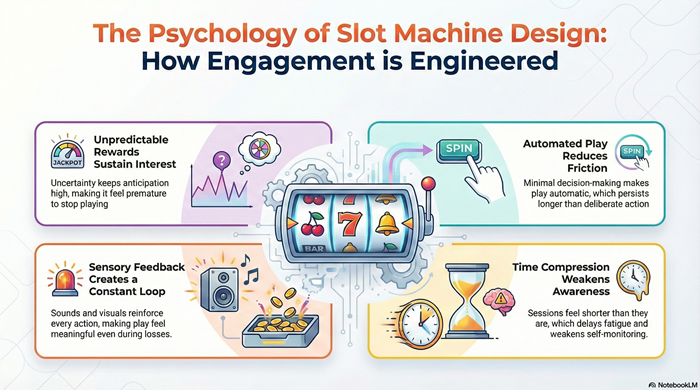
- Spins happen faster
- Autoplay removes friction
- Betting is effortless
- Losses are less tangible
The result is higher spin volume per hour. More spins mean more exposure to the house edge in less time.
The math didn’t change. The speed did.
Speed of Play Is the Hidden Cost
Online slots can produce hundreds of spins per hour without the player noticing.
This accelerates:
- Bankroll depletion
- Emotional swings
- Loss normalization
In a physical casino, delays slow play naturally. Online, every barrier is removed.
What feels like rigging is often loss acceleration.
RTP Transparency: Online vs Casino Slots
Online slots often publish RTP openly. Land-based slots usually do not.
This creates an ironic situation:
- Online players see the cost
- Casino players feel the experience
Lower RTP online slots absolutely exist. But disclosure does not equal manipulation.
A transparent bad deal is still a bad deal — just an honest one.
Can Online Casinos Adjust RTP?
Some online slots are offered in multiple RTP versions.
Important distinction:
- RTP versions are chosen before play
- They are not adjusted mid-session
- Players are not individually targeted
The casino chooses which version to host. Once loaded, the RTP is fixed.
That choice matters — but it isn’t rigging.
Why Losing Feels More Personal Online
Online gambling lacks:
- Social interaction
- Environmental distraction
- Physical cues of spending
Losses feel:
- Faster
- More isolating
- More relentless
The brain looks for explanations when control feels lost. “Rigged” becomes an emotional shorthand for frustration.
Are Unlicensed Online Slots Rigged?
This is where skepticism is justified.
Unlicensed or offshore casinos:
- May lack meaningful oversight
- May not be audited regularly
- May offer misleading RTP claims
In these cases, manipulation is possible — not guaranteed, but plausible.
Regulation matters more than platform.
Why Stories of Rigging Spread So Easily
Rigging stories spread because:
- Losses hurt more than wins feel good
- Random streaks feel intentional
- Algorithms feel mysterious
- People share extreme experiences
A brutal session online feels unnatural. In reality, it’s often just variance amplified by speed.
What Online Slots Actually Are
Online slots are:
- Random
- Fast
- Highly optimized for engagement
- Designed with fixed house advantage
They are not:
- Reactive
- Personal
- Adaptive to individuals
Understanding that distinction doesn’t make online slots safe — it makes them predictable.
When “Rigged” Is the Wrong Question
The better question isn’t:
- “Are online slots rigged?”
It’s:
- “How fast does this game extract value?”
- “What is the RTP?”
- “How quickly am I betting?”
Online slots don’t need to be rigged to be expensive.
Continue Learning About Slot Machines
If you want to understand why online slots feel harsher — and how regulation, speed, and design shape that experience — these guides explain the mechanics behind modern slot play:
- How Slot Machines Really Work
- What Is RTP in Slot Machines?
- Slot Volatility Explained (Low vs Medium vs High)
- RNG Explained — Are Slots Truly Random?
- Do Hot and Cold Slots Exist?
- Can Slot Timing Affect Wins?
- Does Machine Location Matter in Slots?
Each article explains one reason why slots feel reactive even though their mechanics are fixed.
Final Thought: Online Slots Aren’t Rigged — They’re Efficient
Online slots don’t cheat players individually. They don’t need to.
They operate with:
- Speed
- Convenience
- Minimal friction
Those features expose players to the house edge faster than most people realize.
That efficiency can feel like rigging.
It isn’t.
It’s math — delivered at high speed.