
When to Walk Away From Slot Play (Why Stopping Is So Hard)
🎰🚪 Most players don’t lose because they pick the “wrong” slot. They lose because they don’t stop. Walking away from slot play sounds simple, yet it consistently feels harder than expected—especially after a near miss, a small win, or when a bonus is “almost done.”
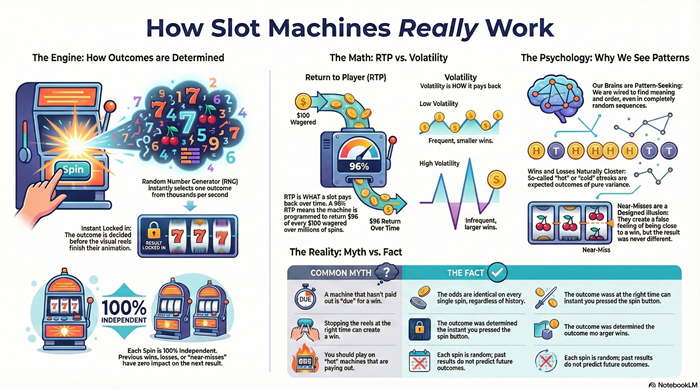
Stopping is difficult not because of poor discipline, but because slot machines are designed to delay stopping cues and extend engagement. To understand why walking away feels unnatural, you have to look at how perception, incentives, and sunk effort interact with fixed probabilities. As explained in our guide on how slot machines really work, outcomes are governed by math—but session length is shaped by psychology.
This article explains why stopping is so hard, how slots discourage exits, and what actually determines the right moment to walk away.
Why Stopping Feels Like Quitting Too Early
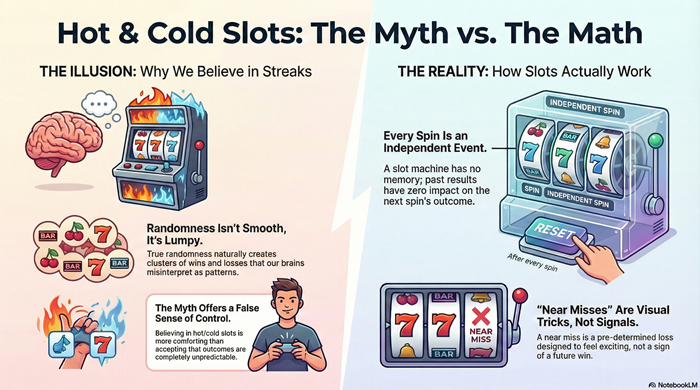
Players often feel they’re leaving just before something happens.
This feeling is driven by:
- Near misses that suggest proximity
- Small wins that feel like momentum
- Bonus meters that imply progress
None of these indicate improved odds. They indicate engagement. The sense of “too early” is emotional, not probabilistic.
Walking away feels wrong because the game is designed to make continuation feel reasonable.
The Absence of Natural Endpoints
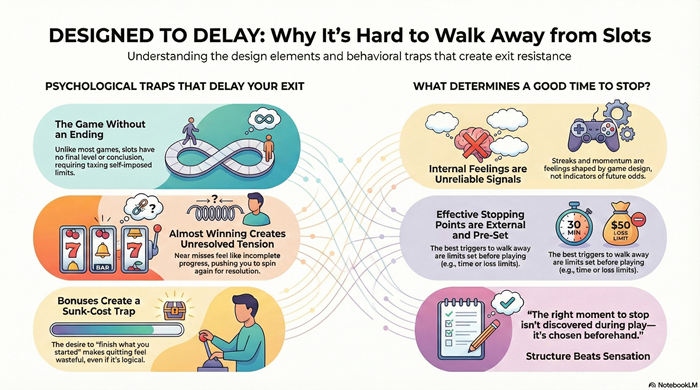
Most games end clearly. Slots do not.
There is:
- No final level
- No match conclusion
- No natural stopping point
Every spin invites another. Without a built-in endpoint, stopping must be self-imposed—and self-imposed limits are cognitively taxing.
Games without endings rely on player fatigue or depletion to stop play.
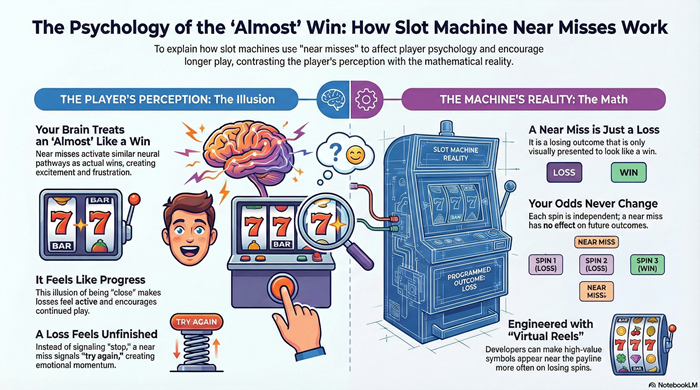
How Near Misses Delay Exit Decisions
Near misses create unfinished tension.
When a spin looks close:
- The brain wants resolution
- The session feels incomplete
- Stopping feels like abandoning progress
This unresolved feeling pushes players to “just do a few more,” even though probability remains unchanged.
Near misses are stopping deterrents disguised as information.
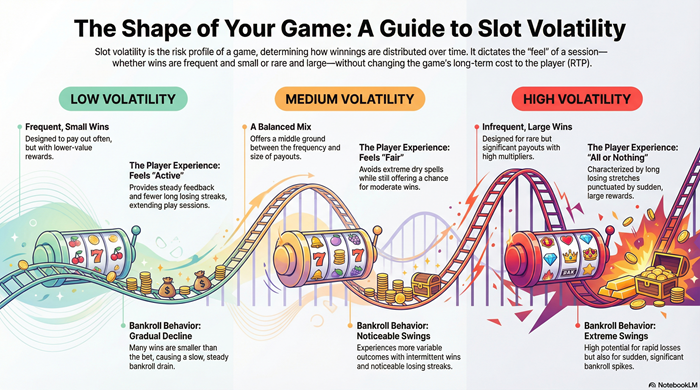
Why Small Wins Undermine Stopping
Small wins cushion losses emotionally.
Instead of a clear signal to stop:
- The balance declines slowly
- Celebrations continue
- Losses feel manageable
This smooths the experience and delays the moment when stopping feels justified.
Comfort is the enemy of exit decisions.
Bonuses and the Sunk-Cost Trap
Bonuses make stopping particularly difficult.
Once wagering begins:
- Progress feels invested
- Quitting feels wasteful
- Losses feel temporary
Even when the math turns unfavorable, the desire to “finish what you started” keeps players engaged.
This is the sunk-cost effect operating exactly as designed.
Time Distortion Removes Stopping Awareness
Slots distort time perception.
When time feels compressed:
- Sessions feel short
- Fatigue is delayed
- Spending feels gradual
Stopping doesn’t feel urgent because duration isn’t felt accurately.
Players stop when something external interrupts—not when it’s optimal.
Why Losses Don’t Trigger Stopping
In many activities, losses signal reassessment.
In slots:
- Losses are frequent
- Losses are masked
- Losses are normalized
When losses feel routine, they lose their signaling power. Stopping becomes emotionally disconnected from outcome.
The Myth of the “Right Moment” to Stop
Players often wait for:
- A win to leave on
- A bonus to complete
- A sense of closure
But closure rarely arrives naturally.
Waiting for a “good stopping point” often means playing longer than intended. The right moment isn’t revealed—it’s chosen.
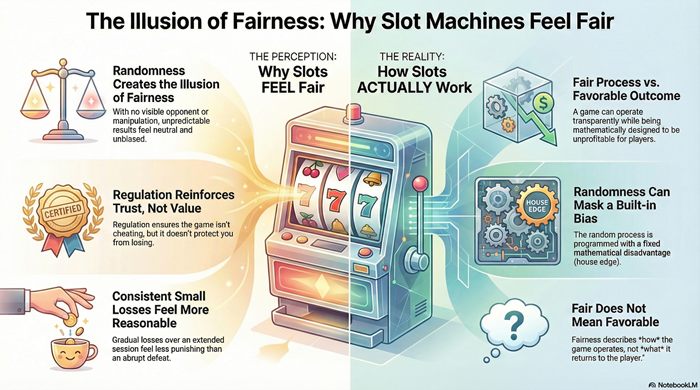
How Casinos Benefit From Delayed Exits
Casinos don’t need players to believe they’ll win.
They need players to:
- Delay stopping
- Extend sessions
- Increase total wagers
Every design element that blurs stopping cues increases exposure to the house edge without changing odds.
Exit resistance is profitable.
What Actually Determines a Good Time to Walk Away
From a rational standpoint, good stopping points are external and pre-set:
- Time limits
- Loss limits
- Session caps
Internal signals—feelings, streaks, momentum—are unreliable because they’re shaped by design.
Structure beats sensation.
Why Walking Away Feels Like Losing Control
Stopping interrupts immersion.
When you leave:
- The sensory loop breaks
- The illusion dissolves
- Reality returns
That transition can feel uncomfortable. The discomfort isn’t failure—it’s awareness reasserting itself.
What Changes When You Redefine “Walking Away”
Walking away doesn’t mean:
- You failed
- You missed out
- You quit too soon
It means:
- You respected limits
- You avoided escalation
- You ended on your terms
Reframing stopping as success changes behavior.
Continue Learning About Slot Machines
If you want to understand why stopping feels difficult—and how design extends play without changing odds—these guides explain the mechanisms that shape exit resistance:
- How Slot Machines Really Work
- Why Slot Sessions Feel Shorter Than They Are
- How Near Misses Manipulate Player Perception
- Why Small Wins Feel Like Progress
- Why Wagering Requirements Are So Hard to Beat
- Do Slot Bonuses Change Player Behavior?
- Why Slot Jackpots Feel Closer Than They Are
Each article explains one factor that keeps players engaged longer than intended.
Final Thought: The Best Time to Stop Is Chosen, Not Discovered
Slots don’t signal when to leave. They discourage leaving.
Waiting for the game to tell you it’s time is waiting for a cue that never comes. The most effective stopping point is one set before play begins—independent of wins, losses, or feelings.
Walking away isn’t about timing the game.
It’s about reclaiming the decision.